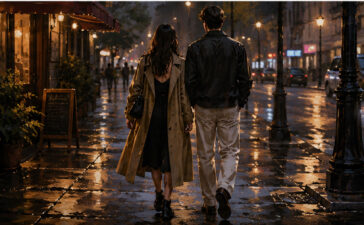
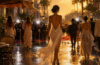
The modern press tour has a side sport: outfit reading. A color choice becomes a clue. A silhouette becomes a theory. A styling shift becomes a group project. Zendaya’s Spider-Man: Brand New Day press looks hit that exact pleasure zone, giving fans something to decode without tipping into invasive territory. It was tea, but the safe kind: fabric, symbolism, timing and a lot of very online pattern recognition.
What happened
The Hollywood Reporter covered how Zendaya’s darker Spider-Man: Brand New Day promotional looks sparked online speculation about what her styling might mean for the film’s story. Vogue’s best-dressed roundup also placed her in the week’s wider return-to-glitz conversation, highlighting the way premiere fashion can become a headline track alongside the movie itself.
None of this means an outfit should be treated as an official plot document. That is the fun and the danger of press-tour decoding. Fans know the difference, mostly. But the visual language around a blockbuster is now so deliberate that audiences cannot help looking for meaning in the seams.
Why it matters
Zendaya is one of the clearest examples of a star whose fashion narrative travels as far as the promotional talking points. Her red-carpet history has trained fans to expect intention. When a look aligns with a project, people notice. When a look seems to contrast with a project, they notice even harder.
This is bigger than one actor or one film. Press-tour fashion has become part of franchise storytelling. Stylists, stars and studios all understand that a good look can create a second wave of attention. It gives fashion outlets something to analyze, fans something to remix and casual viewers another doorway into the movie conversation.
The PopCultCanvas take
The best version of this kind of chatter is playful, not possessive. It lets fans enjoy the possibility that clothing is communicating without demanding that every hemline confess a spoiler. Zendaya’s press style works because it sits in that space: elegant enough to be fashion, specific enough to be discourse, mysterious enough to keep the group chat awake.
There is also a useful distinction here. Reading a public outfit at a public premiere is not the same as digging into private life. One is media literacy with rhinestones. The other is nosiness dressed up as investigation. This particular cycle stayed mostly on the right side of that line because the object of attention was the public styling itself.
What to watch next
Watch whether future blockbuster press tours lean even harder into coded wardrobes. Once fandom learns to read a fashion campaign, studios may be tempted to feed the theory machine on purpose.
That detail matters because it gives editors, fans and casual readers one more practical signal for how the story may travel next: through official rollouts, platform placement and audience habits rather than loose speculation.
Sources checked: The Hollywood Reporter, Vogue, Variety.