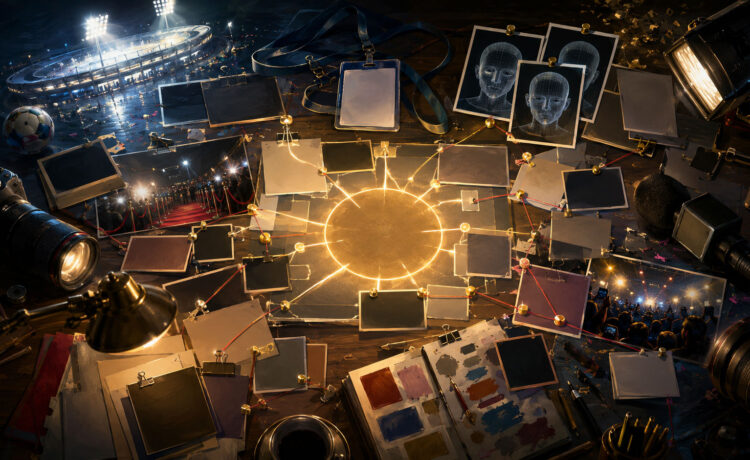
Some Mondays arrive politely. This one walked in carrying a stadium wristband, a festival badge and a privacy-policy update. The culture feed after July 19 is doing that very 2026 thing where sports, entertainment, tech and celebrity style all collapse into the same scroll. Pop culture is not one lane right now; it is a traffic circle with a halftime show in the middle.
What happened
Spain’s World Cup win over Argentina gave the weekend a clean sports headline, but the surrounding spectacle became just as sticky: a first official World Cup final halftime show, celebrity-heavy stands and a pop-programming layer that felt deliberately built for clips. At the same time, TIFF unveiled a major slate of gala and special presentations for its 51st edition, nudging awards-season conversation into mid-July. And on the platform side, TikTok began testing an opt-in AI likeness detection tool for some U.S. creators, following YouTube’s broader move toward likeness management.
Why it matters
The pattern is bigger than any single announcement. Major sports events are borrowing entertainment infrastructure, film festivals are becoming rolling content calendars before anyone sets foot in a theater, and creator platforms are treating identity like something that needs a control panel. The daily pop-culture briefing is now part red carpet, part release calendar, part terms-of-service literacy test. That may sound unromantic, but it is exactly how culture now travels: the moment, the clip, the repost and the policy update all arrive together.
The PopCultCanvas take
The PopCultCanvas read: the World Cup final showed how a global sports event can become a pop-culture multiplex without losing the match itself. TIFF reminded everyone that fall movie season does not begin in fall anymore; it begins the second lineup headlines start sorting themselves into awards predictions. TikTok’s likeness test, meanwhile, is less flashy but maybe more important. It says the next creator-economy fight is not simply who gets seen. It is who gets copied, simulated, labeled and protected when the feed learns to imitate faces.
The key editorial lesson is pacing. A daily site does not need to pretend every item carries equal weight; it needs to show readers how the board fits together. The sports spectacle gives the emotional hook, the festival lineup gives the forward-looking culture calendar, and the AI likeness story gives the longer-term anxiety humming underneath the fun. That mix is exactly where PopCultCanvas lives: not breathless, not cynical, just aware that a stadium clip, a movie slate and a creator-policy test can all belong to the same day because audiences experience them in the same feed.
What to watch next
Watch how quickly the World Cup halftime format becomes a template for future global events, how TIFF titles start sorting into awards-season lanes, and whether TikTok expands likeness detection beyond a limited test. Those three threads may look unrelated, but they are all about the same thing: attention becoming formalized, packaged and managed.
Sources checked
AP World Cup final live coverage; AP World Cup halftime photos; AP TIFF lineup report; The Verge TikTok likeness report.