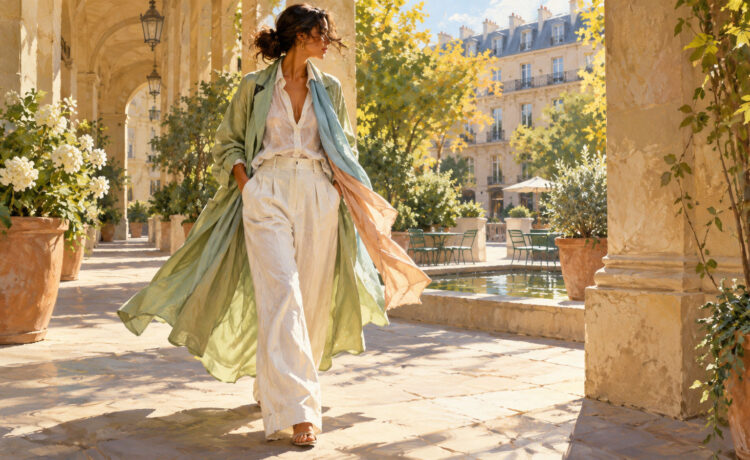
Fashion has spent decades pretending the calendar controls the weather. Paris Fashion Week is increasingly making the opposite argument. As temperatures remain warmer deeper into the traditional autumn cycle, designers are building collections around lighter materials, adaptable layers and clothes that make sense when the forecast refuses to cooperate.
What happened
Vogue highlighted Spring/Summer 2027’s emphasis on wearability, new creative leadership and a renewed focus on human expression. Reuters separately reported that warmer temperatures during Paris Fashion Week are creating practical problems for retailers, particularly when heavy autumn and winter products reach stores before customers actually want them.
Why it matters
The fashion calendar is not just an editorial tradition. It is an inventory system. Brands order fabric, manufacture collections, ship product and plan promotions months before shoppers encounter them. When weather patterns shift, the mismatch can create unsold stock, delayed purchases and deeper discounting.
That makes transitional dressing more than a trend phrase. Lightweight outerwear, flexible layers and pieces that work across a wider temperature range may become increasingly important commercial categories. Consumers are less likely to dress according to a theoretical season when their actual environment says otherwise.
There is also a cultural effect. Social platforms expose shoppers to styles from different climates instantly, making the traditional seasonal sequence even less convincing. A summer look can remain visible while a brand is already promoting coats for a season that has not arrived.
The commercial implications are easy to underestimate. A retailer cannot solve a weather mismatch by simply changing the website banner. Inventory was produced months earlier, and markdowns can erase margin. That makes adaptable products more valuable because they can remain relevant across a wider range of conditions.
There is also a cultural opportunity. Transitional clothing often feels more personal because it requires styling rather than a complete seasonal costume. A light jacket over a summer dress, a sweater with a skirt or a breathable trouser with a heavier shoe can work across several temperatures. Fashion may be discovering that flexibility is itself a luxury.
The PopCultCanvas take
The most interesting fashion response is not a particular colour or silhouette. It is the admission that spring, summer, fall and winter are becoming less reliable instructions.
That could ultimately make fashion more useful. Instead of buying a heavy coat because a calendar says it is coat season, consumers may increasingly choose pieces based on how they actually live: breathable jackets, flexible layers, lightweight tailoring and fabrics that do not require a particular month to make sense.
In other words, the future of fashion may be less seasonal and more situational. That is a practical shift, but it is also a cultural one because clothing has always been partly a language for signaling where and when we belong.
What to watch next
Watch how retailers respond over the next year. If warmer autumns continue, the winners may be brands that can keep seasonal storytelling while designing products for a climate that refuses to follow the script.
Sources checked