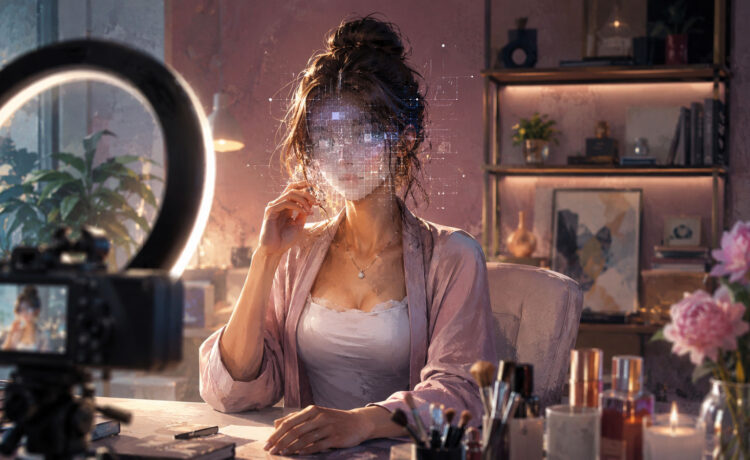
The old AI influencer was easy to file away as novelty: too glossy, too uncanny, too obviously built for a headline. The new version is more slippery. It can look like travel content, beauty content, wellness content, comedy content or lifestyle content, which means the real question is no longer whether audiences can spot the robot. It is whether platforms even want the distinction to be obvious.
What happened
The Verge reported that AI-generated content creators are becoming harder to identify as tools improve and synthetic personas blend more smoothly into normal feeds. The issue is not only visual realism. It is identity: accounts that behave like influencers, sell like influencers and participate in trends like influencers without being human in the usual sense.
TechCrunch has also reported on YouTube’s move to automatically label some AI-generated videos, adding internal detection signals to creator disclosure requirements. The platform’s earlier public guidance around synthetic media already asked creators to disclose realistic altered or generated content that could be mistaken for real people, places or events.
Why it matters
The creator economy runs on trust, even when that trust is casual. Viewers may know a post is sponsored, staged or edited, but they still assume there is a person behind the taste, the routine and the recommendation. AI personas complicate that social contract. If a face is synthetic, a lifestyle is generated and a recommendation is optimized by someone behind the curtain, what exactly is the audience forming a relationship with?
This is not a simple “AI bad, humans good” story. Synthetic tools can be used creatively and transparently. The problem is ambiguity. If users cannot tell whether a persona is real, labeled, fictional, commercial or automated, the feed becomes less like culture and more like a masquerade with affiliate links.
The PopCultCanvas take
AI influencers are not scary because they look fake. They are culturally disruptive because they are starting to look ordinary. Normality is the upgrade. Once synthetic accounts can mimic the rhythms of everyday creator life, disclosure becomes less of a technical checkbox and more of a basic etiquette question.
Platforms will likely keep focusing on labels, but labels alone will not solve the deeper issue: users need a clearer sense of authorship. Who made this? Who benefits? Is this a character, a tool, an ad, a person or all of the above? Those questions are becoming part of media literacy, not just tech policy.
The bigger cultural tell is how quickly audiences may normalize synthetic personas if they are entertaining enough. That is why disclosure has to be plain, consistent and visible before the novelty becomes habit.
What to watch next
Watch whether platforms start labeling accounts and personas more clearly, not just individual posts. The next trust battle may be less about detecting fake images and more about identifying synthetic identities.
Sources checked