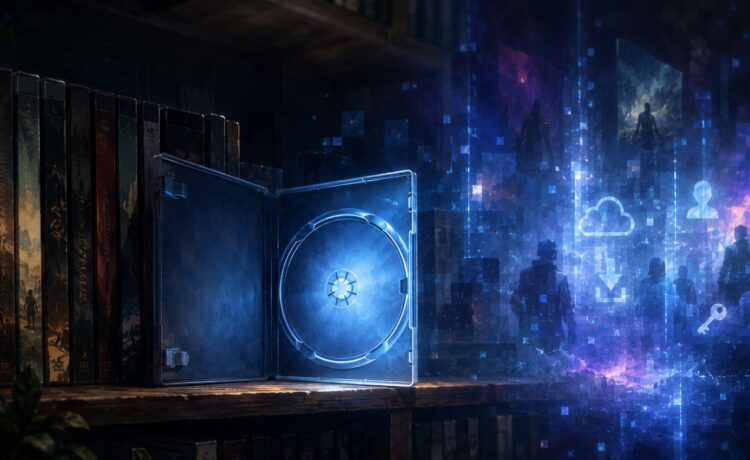
The future of games may be convenient, but convenience always comes with a receipt. Sony’s reported plan to stop producing physical discs for new PlayStation releases pushes a long-simmering question back to the front: when your game is mostly a license, a download and a login, what exactly do you own?
What happened
Reuters reported that Sony plans to end production of physical discs for new PlayStation game releases beginning in January 2028, shifting new releases toward digital distribution through the PlayStation Store and digital formats sold by retailers. Entertainment Weekly also covered the reported move, noting how it lands amid broader anxiety over digital libraries, licensing and preservation. MarketWatch recently reported similar frustrations around high-profile boxed releases that include download codes rather than discs.
Why it matters
Physical media has been shrinking for years, so the direction is not surprising. The emotional reaction is the important part. Discs are more than plastic. They are resale, borrowing, collecting, archiving, gifting and the simple comfort of having something that works without asking a server for permission. Digital distribution is easier for publishers and often easier for players, but it shifts power toward storefronts and license terms.
The change also affects culture memory. Games are not only products; they are creative works that people revisit, study and preserve. When access depends on accounts, store support and licensing agreements, older titles can become harder to find even if millions of people once paid for them. The industry’s move toward digital convenience therefore raises a preservation question alongside a business one.
The PopCultCanvas take
The cleanest take is that digital is winning, but trust has not caught up. Players like fast downloads, cloud saves and not swapping discs. They are less thrilled when “purchase” starts to feel like “temporary access, terms may apply.” If Sony’s disc-free future becomes reality, the company will need more than a sleek storefront. It will need clear consumer promises around access, refunds, legacy libraries and long-term availability.
This is where gaming differs from streaming. People are used to movies disappearing from subscription services because the rental vibe is obvious. Games often cost premium purchase prices, demand long-term progression and live in personal libraries for years. When the format becomes fully digital, the psychological contract has to be stronger.
What to watch next
Watch how collectors, retailers and preservation advocates respond. Also watch whether platform holders introduce stronger ownership language, download guarantees or archive tools to ease the transition.
There is also a generational split baked into the debate. Younger players may see digital libraries as normal, while collectors and longtime fans remember lending discs, trading used games and keeping shelves as personal archives. Both instincts are real.
Sources checked