Steve Lacy has always had a talent for making guitar music feel like it wandered into the future wearing excellent sunglasses. Now the road is catching up. His newly detailed Oh Yeah? tour puts a proper North American frame around the next chapter of his post-Gemini Rights rise.
What happened
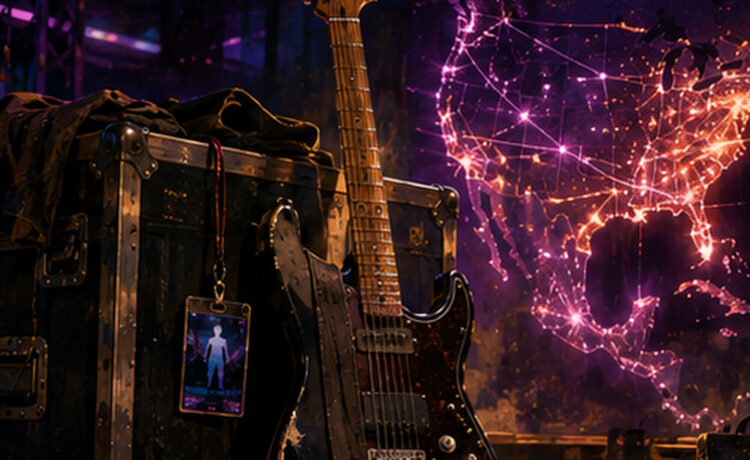
Pitchfork reports that Lacy is taking Oh Yeah? to 27 cities this fall. The run begins Sept. 27 in Minneapolis and moves through major markets including Chicago, New York, Miami, Atlanta, Las Vegas, Los Angeles, San Francisco and Seattle before closing Nov. 30 in Vancouver. Pitchfork also notes that the album features SZA, Erykah Badu and Cecile Believe, and that this marks his first tour stretch since the Give You the World run around Gemini Rights.
That gap matters. Four years is a lifetime in pop-cycle math, especially for an artist whose biggest songs became part of the internet’s emotional wallpaper. Returning to the road is not just a logistical update. It is a test of how a streaming-era hitmaker translates intimacy, cool distance and viral familiarity into rooms full of actual people.
Why it matters
Lacy sits in an interesting place in current fandom. He is not a traditional guitar hero, but he has helped make guitar textures feel central to a generation raised on playlists, loops and genre collapse. He is not a conventional R&B star, but his music lives comfortably beside neo-soul, indie pop, funk, bedroom production and experimental edges. That in-between status is exactly why the tour feels like a signal.
Live music has become the place where artists prove their scale. Streams can make a song unavoidable, but tours reveal what kind of relationship fans have with the artist. Are they there for the meme memory? The album craft? The vibe? The guitar tone? The answer is usually all of the above, but the balance shows up differently in a venue than it does in a TikTok sound.
The PopCultCanvas take
The smart angle here is that Lacy does not need to choose between cool and communal. His records can feel private, but the venues on this run suggest something much larger. That tension is the fun: music that sounds made in close quarters moving into spaces designed for collective release.
There is also a broader pop lesson. The guitar never really left; it just stopped needing to announce itself as a capital-R rock object. Lacy’s version is flexible, stylish and emotionally slippery. It can be a hook, a texture, a flex or a sigh. On tour, that versatility becomes the show.
What to watch next
Watch whether the live arrangements lean into full-band warmth, sleek pop minimalism or something more jammed-out and unpredictable. Lacy’s road era could tell us a lot about where guitar-forward pop is going next.
Sources checked: Pitchfork.