What happened
Xbox Wire's release calendar lists Manic Miner for November 5. The announced reboot is authorized by original developer Matthew Smith and revisits the 1983 platforming game with updated graphics, controls, rearranged music and historical bonus material. The listing also identifies Xbox Play Anywhere support.
Those details describe the intended package, rather than a hands-on assessment. A classic platformer returning on modern hardware creates two immediate points of interest: how its movement translates to today's inputs, and how the release explains the original work to people encountering it for the first time.
Why it matters
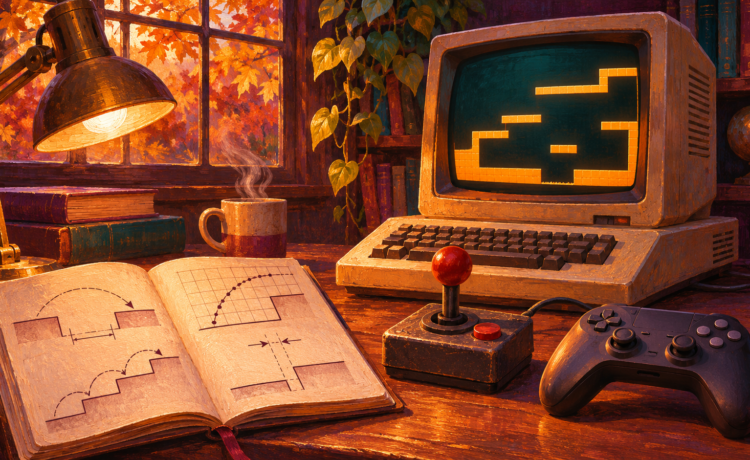
A platform game is partly a lesson in expectation. Players learn how far a jump travels, how long a movement takes and which visual cues can be trusted. Once those relationships feel consistent, a difficult room can become a solvable pattern. Change the response and the same layout may become a different problem.
That is why updated controls deserve more explanation than a general promise of improvement. A remake can reduce friction while changing the rhythm experienced players remember. It can also preserve an old timing model that newcomers find unfamiliar. Neither decision is self-explanatory; the interesting work lies in making the chosen approach coherent and giving players enough information to understand it.
Historical extras can help by presenting the game as something made under particular constraints. A visual idea, a sound or a compact room layout becomes easier to appreciate when the package explains its context. The past is more interesting when it contains decisions, compromises and experiments, rather than existing only as a badge of age.
The PopCultCanvas take
The first test should be delight at a small scale. Does moving through a room invite another attempt? Can a player understand the reason for a mistake? Does success feel like a learned action rather than an accidental escape? Those questions can reveal more about a platformer's revival than a comparison of screenshot resolution.
We would also like the historical material to connect directly with the experience. An explanation of a design choice can change what a player notices on the next run. That is a useful form of preservation: context returning to the act of playing, with curiosity moving in both directions.
There should be room for different audiences, too. Someone who remembers the original may arrive with a precise physical expectation. Someone new may be discovering an unfamiliar style of challenge. A considerate package can acknowledge both without assuming that affection or frustration will be universal. The point of bringing a game back is to give more people a meaningful encounter with it.
What to watch next
November 5 is the listed release date. Look for clear information about the available presentation and control options, then informed accounts of the actual feel of play. The most persuasive endorsement will describe a particular jump, room or recovery that makes another attempt hard to resist.