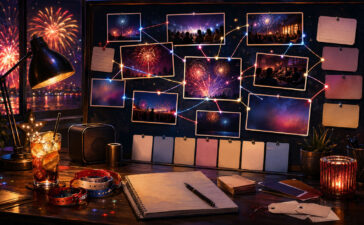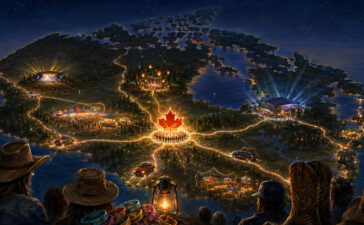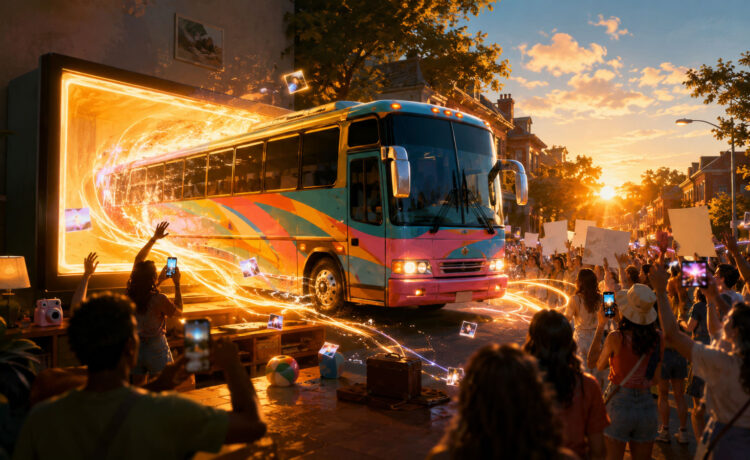
The big nostalgia play of summer 2026 is not simply getting people to press play. It is getting them to show up, take a photo, make the group chat jealous, and then press play later. That is why the new wave of comfort-franchise marketing feels less like a rerun and more like a road trip with a content strategy.
What happened
People reports that Disney is launching an All Roads Lead to Camp bus tour for Camp Rock 3, beginning July 3 in Nashville and rolling through 17 U.S. cities before ending in Anaheim on August 14. The new film is set for Disney Channel on August 13 and Disney+ the following day.
The same week, other nostalgia signals are stacking up: Gilmore Girls has shifted to Prime Video, while Deadline has also tracked summer streaming windows for familiar franchise titles. The point is not subtle. Studios know the old favorites still work, but the marketing has to feel newly eventized.
Why it matters
For fans, nostalgia is increasingly a participatory format. It is not enough to remember a thing; the culture asks you to re-enter it, document it, remix it and maybe buy a hat on the way out.
For studios, the upside is obvious. A fan bus gives a streaming release a physical footprint. It turns a platform premiere into a calendar moment and converts passive memory into shareable proof of fandom.
The PopCultCanvas take
The smartest version of nostalgia does not act embarrassed about being sentimental. It gives the audience a doorway back in, then updates the lighting. That is the difference between “remember this?” and “we saved you a seat.”
The risk, naturally, is overbuilding the memory palace. Too much merch-table energy can make a beloved property feel like it has been wrapped in bubble mailers. But a light-touch fan experience can do what a trailer cannot: make an old pop memory feel communal again.
What to watch next
Keep an eye on whether more streamers build city-by-city fan activations around sequels, revivals and legacy-library moves. The remote is still important, but the parking lot is suddenly part of the rollout.
There is also a practical reason this works. Fans already use nostalgia as social shorthand, so a physical activation gives them a clean symbol to gather around. The bus, booth or city stop becomes proof that the memory has re-entered the present tense. Done well, that can make a sequel feel less like a studio inventory decision and more like a shared summer chapter. Done badly, it can feel like a gift shop wearing a plot costume.
The useful measure will be whether fans treat these activations as genuine invitations or just another branded stop on the content conveyor belt.
Sources checked