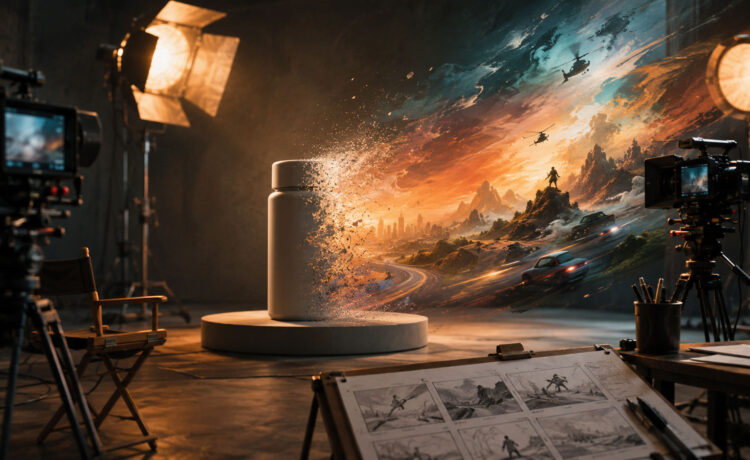
The phrase “branded entertainment” has always sounded like someone trying to sneak a commercial into a blazer. But in 2026, the category is getting harder to separate from entertainment itself. Brands are not only buying ad slots around culture. Increasingly, they want to make culture-adjacent work that audiences might choose on purpose.
What happened
Fast Company has argued that branded entertainment is moving toward simply being entertainment, as streamers and brands look for new partnership models. Adweek has also tracked the rise of brand-backed studios, noting examples of companies building production arms designed to create more ambitious content. Cannes Lions conversations around entertainment, creators and AI only sharpened the point: the ad business wants to be in the story business, not just the interruption business.
Why it matters
That matters because audiences have changed the terms. People will tolerate marketing when it offers utility, humor, access or genuine entertainment value. They are less patient with content that pretends not to be an ad while behaving exactly like one. Brands entering entertainment need to understand pacing, story, taste and audience permission. A logo cannot rescue a boring idea.
The PopCultCanvas take
The PopCultCanvas take: the future of branded entertainment will be judged by whether the content can survive without the media plan. If a documentary, series, short film or creator project would still be interesting with the brand name removed, it has a chance. If not, it is just a commercial wearing comfortable shoes. The opportunity is real, but so is the cringe cliff.
For brands, the uncomfortable truth is that culture is not a costume rack. You cannot simply put on a creator, a platform trend or a festival activation and expect trust to appear. The smartest moves start with audience behavior and build around it. The weakest start with a business objective and decorate it with youth-coded language. That difference is obvious to the people brands most want to reach.
The reason this shift matters is simple: audiences can smell homework. A brand logo attached to weak entertainment is still weak entertainment. The stronger model starts with something people would choose to watch, then lets the sponsor’s point of view shape the world without taking over the room. That is harder than buying attention, but it can create a longer shelf life than a standard campaign burst.
The best examples will probably feel almost invisible as advertising. Not hidden, but integrated with enough confidence that the audience understands the exchange and still enjoys the thing. That is a higher creative bar, and it is why entertainment people are suddenly so valuable to marketers.
What to watch next
Watch for more brands launching studios, more streamers packaging partnerships into programming, and more creators becoming the creative glue between companies and audiences. The smartest brand move may be knowing when to fund the story and stay slightly out of the way.
Sources checked