Madonna has never been especially interested in being treated like a museum exhibit, which is why the idea of Confessions II is more interesting than a simple sequel label. A legacy-pop return can easily become a velvet-rope nostalgia event. This one arrives with a more useful question: what happens when an artist revisits a beloved era without pretending culture has stayed frozen around it?
What happened
The Associated Press’ latest streaming and music preview lists Madonna’s Confessions II for July 3, framing it as a follow-up to her 2005 dance-pop touchstone Confessions on a Dance Floor. Pitchfork’s summer-albums preview also places the project among the major releases shaping the season, alongside other high-profile returns and new statements from both established and emerging artists.
That matters because Madonna’s best eras have rarely been just albums. They have been visual systems, club languages, fashion references and arguments about who gets to define reinvention. A sequel title immediately pulls all of that memory back into the room.
Why it matters
Legacy pop is in a strange place. Catalogs are more available than ever, but attention is harder to earn. Fans can replay the original era instantly, which means a new sequel has to do more than point at the old sparkle. It has to create a present-tense reason to care.
That is where Madonna remains a useful case study. Her public figure status is inseparable from her ability to weaponize change: religious imagery, club culture, high fashion, tabloid spectacle, discipline, camp and provocation, often in combinations built to annoy the right people. Revisiting Confessions is not just a sound decision. It is a branding decision about continuity and control.
The PopCultCanvas take
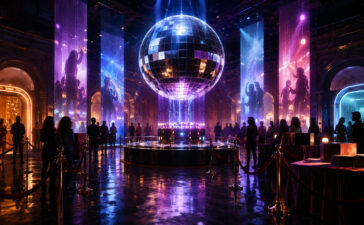
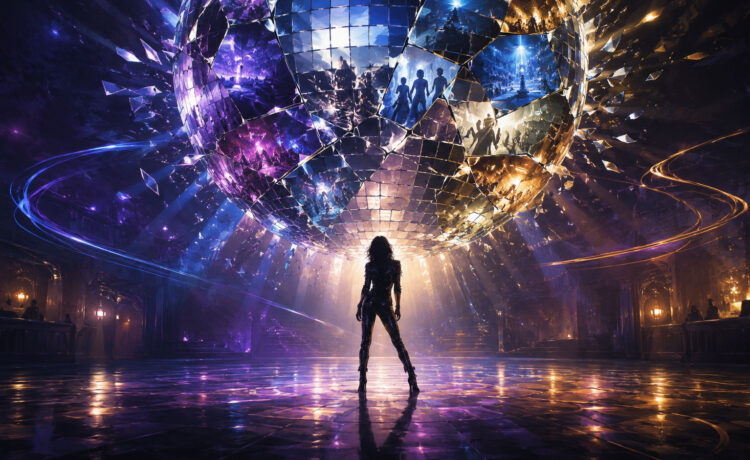
The smart reading of Confessions II is not “Madonna is going back.” It is “Madonna knows the dance floor is one of her strongest operating systems.” The mirrorball is not only nostalgia; it is a format where reinvention can happen in public, under lights, with everyone aware of the references.
That makes the project a neat reminder that pop icons do not age out of strategy. They either curate their own mythology or let the internet do it for them. A sequel title gives Madonna the advantage of naming the frame before everyone else can reduce it to a throwback.
The other reason this works as a culture story is generational. Some listeners remember the original era as nightlife; others know it as inherited pop mythology through playlists, clips and fashion references. A sequel can speak to both groups if it treats the past as living material rather than a commemorative plaque.
What to watch next
The next signal is whether the conversation stays in “remember when” mode or moves into actual song, production and visual-world discussion. Nostalgia can open the door. The new work has to keep the room moving.
Sources checked