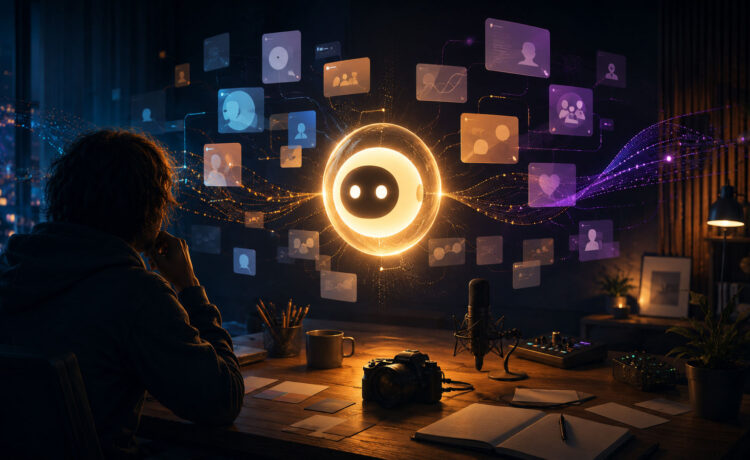
Creator tools used to feel like a back office: upload, schedule, check numbers, panic mildly. Meta’s reported revival of Facebook’s Creator Studio as an AI-powered companion app points to something more involved. The platform does not just want to host creator work. It wants to advise, prioritize and draft around it.
What happened
The Verge reported that Meta has relaunched Facebook’s Creator Studio as a standalone AI-powered companion app in testing with selected users. The new version reportedly includes an AI Creator Assistant for performance tracking, engagement recommendations, audience comment prioritization and draft replies. That is a long way from a simple posting dashboard. It is closer to a manager, analyst and intern packed into one product interface.
Why it matters
That matters because creators are already overloaded. They are expected to make content, read analytics, respond to comments, understand monetization shifts, satisfy brand partners and still look spontaneous. AI tools promise relief, but they also deepen platform dependence. If the same company controls distribution and tells creators what to make next, the advice may be useful — and strategically self-serving.
The PopCultCanvas take
The PopCultCanvas take: the tool sounds helpful, but the cultural question is who gets trained by whom. Creators may use AI to save time, but platforms can also use AI to standardize creator behavior. More efficient replies are nice. A feed full of optimized sameness is not. The best version of this future gives creators better signals without sanding down their voice. The worst version turns every account into a customer-service desk with ring lights.
The deeper story is that platforms keep asking users and creators to adapt faster than the social contract can update. A new tool may save time, a new label may add context, and a new rule may reduce spam, but each also changes expectations around trust. Internet culture is now a negotiation over what feels human, what feels automated, and who gets to decide when the difference matters.
For creators, the promise and the worry arrive together. Better tools can save time, organize chaos and surface patterns that are hard to see manually. But when the platform also provides the co-pilot, the platform is shaping the flight path. That means creators will have to ask not only “does this help me post?” but “does this make my work more mine, or more machine-readable?”
The next version of creator work may therefore be less about posting more and more about deciding what should not be automated. The human signature could become the scarce resource: taste, timing, restraint and the little weird choices that make a page feel alive.
What to watch next
Watch whether Meta expands access, how transparent the recommendations are, and whether creators treat AI-drafted engagement as a convenience or a trust risk. Audiences may tolerate assisted workflows, but they still want to feel a human pulse behind the post.
Sources checked