K-pop moves fast enough that “legacy act” can sound like an insult before the merch line even closes. BIGBANG’s 2026 stadium tour news pushes back on that idea. Some groups do not just return; they reactivate a whole map of fan memory, industry influence and global touring muscle.
What happened
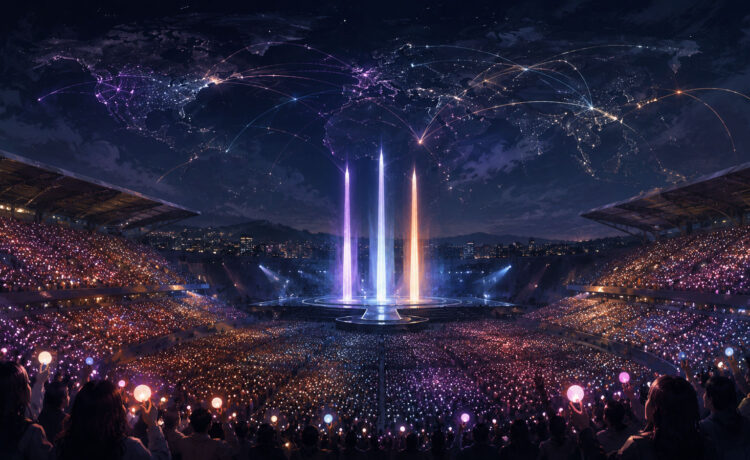
Billboard reported that BIGBANG’s G-DRAGON, TAEYANG and DAESUNG are reuniting for a 31-date world stadium tour beginning August 21 at Goyang Stadium. The scale is the point. This is not a tiny nostalgia lap for longtime fans only. It is a stadium-sized test of how a foundational K-pop act can operate in a market now crowded with younger groups, faster content cycles and more global infrastructure.
Why it matters
That matters because K-pop history is entering a new phase. The genre’s global expansion has created room for anniversary culture, reunion economics and multi-generational fandom. Younger fans may know the influence before they know the full catalogue. Older fans bring emotional context. Promoters get a proven brand with renewed curiosity. The question is whether the tour can feel current rather than preserved under glass.
The PopCultCanvas take
The PopCultCanvas take: BIGBANG’s advantage is that their comeback does not have to pretend the clock stopped. The strongest legacy plays acknowledge time. They let fans bring their history into the room while giving them a reason to care now. Stadiums are unforgiving spaces; scale can make nostalgia feel triumphant or hollow. The difference is whether the show feels like a living event or a victory museum.
The fan layer is the important part to keep watching. Music news is no longer only about a release date, a single or a tour itinerary. It is about how listeners organize around the thing: presaves, edits, ticket plans, outfit mood boards, charity links, archival threads and reaction videos. The strongest artists understand that fandom is not a marketing afterthought. It is the place where the era becomes legible.
Legacy K-pop also carries a special kind of pressure. It must respect the original fanbase while proving it can operate in a completely changed global touring economy. The infrastructure, expectations and online reaction speed are different now. That makes a stadium run less like a nostalgia lap and more like a stress test of whether a first-generation global moment can still speak fluently in the current pop language.
The reunion angle also travels well because it gives older fans a shared occasion and newer fans a chance to understand the mythology in real time. Stadium tours are memory machines, but they are also discovery machines when the demand is loud enough.
What to watch next
Watch setlist choices, staging, fashion and how newer K-pop audiences respond online. The most interesting measure will not be whether old fans show up. It will be whether the tour creates new entry points for people who know BIGBANG as influence before experience.
Sources checked