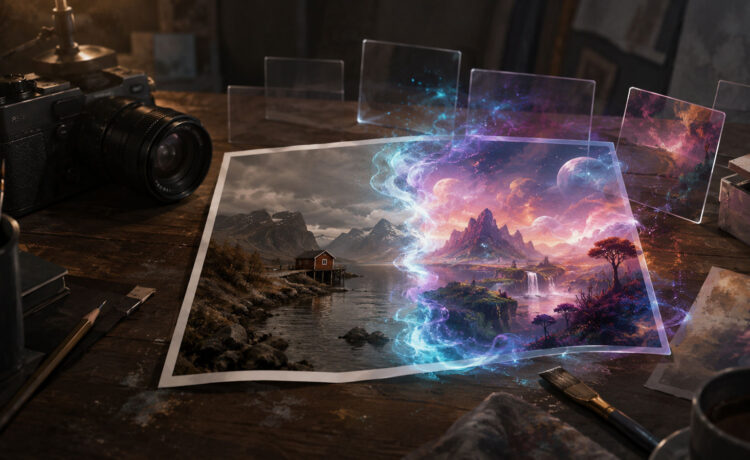
The question “What is a photo?” used to sound like something from an art-school seminar. Now it is a product question, a family-chat question and a media-literacy question. Apple’s 2026 AI photo direction puts that question back in the center of everyday culture.
What happened
The Verge analyzed Apple’s WWDC 2026 photo-editing announcements as a shift toward more powerful AI manipulation inside tools still described as photo experiences. Its report highlighted Apple’s updated Image Playground and natural-language editing abilities, including the power to alter images in ways that go beyond simple cleanup. Apple’s own WWDC communications framed its AI features as creative tools designed to help users express ideas and make images more flexible.
Why it matters
That matters because Apple’s design choices normalize behavior for huge numbers of people. When a feature is built into a default app or system experience, it stops feeling experimental. A casual user may not think of themselves as making synthetic media; they are just editing a picture. But the cultural stakes are real. Photos function as memory, proof, identity and social currency. The easier they are to transform, the more important context becomes.
The PopCultCanvas take
The PopCultCanvas take: the issue is not that creative editing is bad. People have staged, filtered and manipulated images forever. The issue is scale, ease and expectation. When a tool can rewrite the scene with a prompt, the old trust contract around casual photos changes. Apple is not alone in this shift, but Apple’s participation makes the shift feel mainstream, polished and inevitable.
The broader culture-watch angle is that these debates rarely stay in policy documents or keynote demos. They move into ordinary habits: how people caption photos, which sources they trust, what they expect from feeds, and how they explain a confusing media moment to friends or family. The real test is not whether the institutions can announce a solution. It is whether everyday users feel more informed, more respected and less manipulated.
The cultural issue is trust, but the everyday issue is habit. People use photos as memory, proof, decoration and performance, often all at once. Once editing tools become more powerful and easier to access, the viewer’s default setting may shift from “what happened?” to “what was made?” That does not kill photography, but it does make context and labeling more important than ever.
Creative tools are not the villain by default. Editing has always been part of image-making. The difference now is scale, speed and believability. When the alteration becomes invisible, the social contract around sharing images has to get a little more explicit.
What to watch next
Watch how labels, metadata and social norms evolve around AI-edited images. The next etiquette question may be less “did you filter this?” and more “how much of this moment happened?”
Sources checked