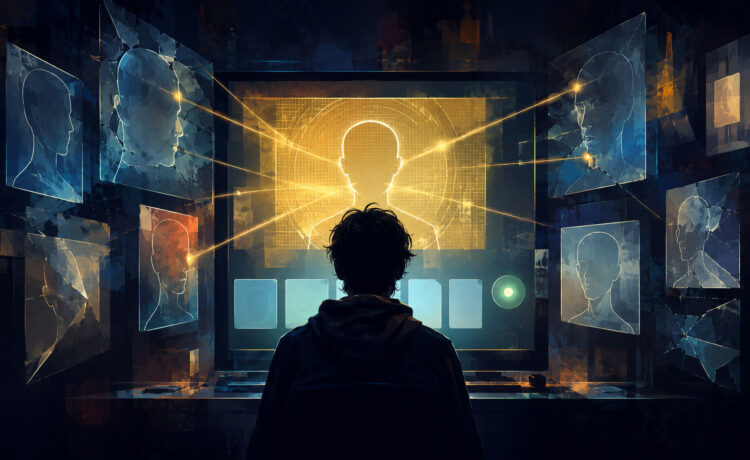
The new anxiety in creator culture is not just “did someone steal my content?” It is “did someone make a version of me?” TikTok’s test of AI likeness detection lands directly in that uneasy space, where identity, impersonation and platform moderation are all being pushed into the same dashboard.
What happened
The Verge reported that TikTok is testing an opt-in tool for some U.S. creators that scans for AI-generated likenesses and allows users to report potential unauthorized uses. The setup involves identity verification through Jumio, with TikTok saying ID documents are not retained and facial information is used for likeness matching. YouTube, meanwhile, has already expanded likeness detection to creators 18 and over, making this less like a one-off feature and more like a category of platform infrastructure.
Why it matters
This matters because the creator economy has always depended on identity, but AI has made identity scalable in uncomfortable ways. A voice, face, editing cadence or persona can now be simulated faster than a human team can chase every account. Platforms cannot solve that completely with a button, but the appearance of the button changes expectations. Creators may increasingly be expected to monitor themselves the way they monitor analytics, copyright matches and monetization flags.
The PopCultCanvas take
The PopCultCanvas take: this is useful, necessary and slightly bleak. Useful because creators need tools when unauthorized likeness use becomes a business problem. Necessary because platform enforcement cannot rely on vibes. Bleak because it turns personal identity into yet another panel inside an app. The creator’s face becomes an asset, a risk surface and a support-ticket category all at once.
The privacy tradeoff is the part audiences should not skip. To protect a likeness, a creator may have to submit identity information and facial data to a platform-linked process. That does not automatically make the tool bad, but it makes the trust equation more complicated. Creators are being asked to trust the system that also profits from their visibility. The more useful these tools become, the more important it will be for platforms to explain retention, appeals, matching accuracy and what happens when a creator leaves the program.
What to watch next
Watch how TikTok handles false positives, appeal paths and expansion beyond the test group. The important question is not only whether the tool finds deepfakes. It is whether creators feel empowered by the process or simply handed one more unpaid moderation job.
For creators, the feature also changes the mental checklist of being online. The old list was posting, moderating and reading analytics. The new list increasingly includes identity monitoring, disclosure awareness and platform literacy. That is not glamorous, but it is becoming part of the job description.
Sources checked
The Verge TikTok likeness report; YouTube creator likeness update.