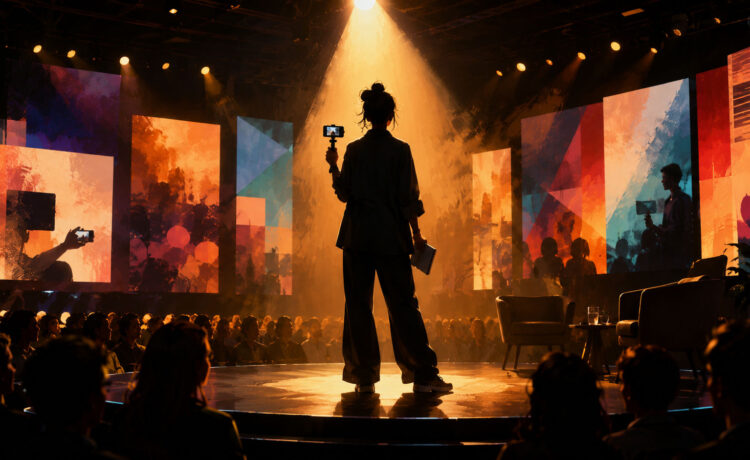
Cannes Lions has always been part awards show, part industry conference and part extremely well-dressed networking maze. In 2026, one shift felt especially loud: creators were not the after-party decoration. They were the programming. That matters because it signals a bigger change in how brands understand attention. The old model treated creators as media placements with personalities. The new model increasingly treats them as channels, collaborators and mini-studios.
What happened
TikTok’s Cannes Lions presence leaned directly into creator voices, bringing creators into panels, partner events and brand conversations. Business Insider’s coverage of the festival described creators as increasingly central to the advertising world’s biggest gathering, while Fast Company has been tracking how branded entertainment is becoming less like an ad category and more like a content strategy. Taken together, the message is not subtle: brands want credibility, communities and formats that do not feel like interruption.
Why it matters
That matters because the creator economy has matured past the era of simple sponsored posts. A strong creator relationship can shape product launches, live events, commerce, audience research and entertainment formats. But that maturity comes with pressure. Audiences are sharper about spotting lazy brand matches. Creators risk trust when every recommendation feels rented. Brands risk looking desperate when they chase whatever platform energy was hot two weeks ago.
The PopCultCanvas take
The PopCultCanvas take: creators winning Cannes attention is not automatically a win for culture. It is a win only if the partnerships get better. The best creator-brand work feels like the creator could have made it anyway, just with better resources. The worst feels like a caption wearing a fake moustache. Cannes may love the language of authenticity, but audiences are the ones grading the paper in real time.
For readers, the practical move is to treat this as a signal map rather than a single headline. The item that looks smallest today can become tomorrow’s larger pattern once fans, platforms and brands start amplifying it. That is why a daily culture brief has to watch the connective tissue: which award moment becomes a style reference, which trailer becomes a release-calendar problem, which creator tool changes what people make next. The best culture reading is not just knowing what happened. It is noticing what starts traveling.
The useful shift is that creator culture is no longer being treated as a quirky add-on to the “real” campaign. It is the campaign environment. Brands are learning that attention does not move through a clean funnel; it ricochets through formats, reposts, edits, creator commentary and private chats. Cannes is simply giving trophies and conference badges to a system that audiences already use every day.
What to watch next
Watch whether this year’s Cannes conversations produce long-term creator studios, smarter recurring partnerships and more creator ownership — or simply a new wave of campaigns where every brand suddenly decides it has a “community.”
Sources checked