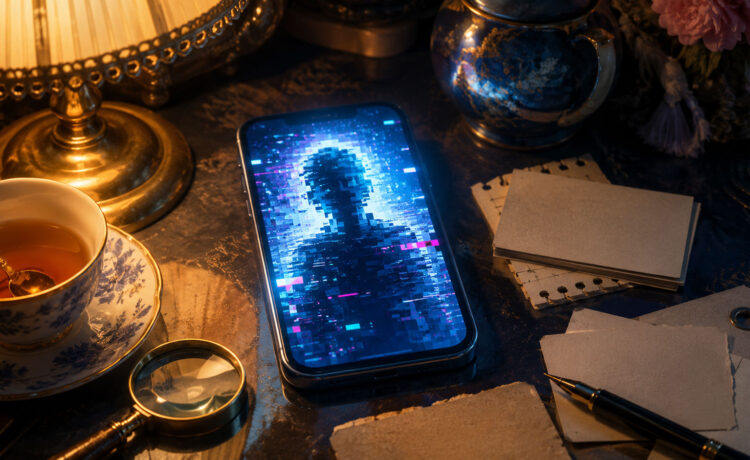
Welcome to The Tea Room, where the kettle is on but the standards are not off. The internet loves a receipt: a screenshot, a clip, a blurry post, a “sources say” caption with the confidence of a courtroom transcript. But in the age of AI, the old rule of “I saw it with my own eyes” has officially been downgraded to “interesting, but let’s breathe.”
What happened
The Verge reported that AI-generated videos of major celebrities have been used in scam ads on TikTok, with manipulated clips making it appear as if famous people were endorsing questionable offers. AP has also reported that realistic deepfakes are becoming easier to create, creating trust problems for governments, businesses, public figures and everyday users.
This is not only a political or tech story. It is a pop culture story because celebrity culture runs on visibility. Stars are photographed, clipped, remixed, memed and reposted constantly. That makes them especially vulnerable to fake endorsements, manipulated videos, misleading screenshots and context-free clips that spread faster than corrections.
Reuters has reported on how AI deepfakes are already blurring reality in political campaigns, with experts warning that synthetic media can erode trust. The same basic problem exists in entertainment culture, even when the stakes look lighter. Once audiences know that images, voices and videos can be convincingly faked, every viral moment enters the room with a question mark attached.
Why it matters
Gossip has always had a verification problem. The difference now is speed and realism. A rumour used to need a tabloid headline, a radio segment or a forum thread to travel. Now it can be a polished clip, styled like a platform-native post, boosted by algorithmic curiosity and repeated by accounts that may not know — or care — whether it is real.
That creates a new responsibility for culture coverage. Not every viral claim deserves amplification. Not every screenshot is evidence. Not every “deleted post” is proof of drama. And not every realistic-looking video is reality.
For readers, the question becomes: what counts as a receipt? A trustworthy source matters. Context matters. Whether the person, publication or platform has confirmed anything matters. So does the simple act of waiting before reposting.
The PopCultCanvas take
The Tea Room can still be fun. It should be fun. Pop culture has always included whispers, raised eyebrows, awards-show body language and extremely dramatic comment-section interpretations. But the new gossip economy needs a better filter.
Our house rule: tea needs a source, a timestamp and a reason to care. If it is unconfirmed, say so. If it is clearly a joke, do not launder it into fact. If it involves someone’s private life and adds nothing useful, maybe leave it in the group chat. And if the only evidence is a low-quality clip with weird lighting and suspiciously perfect timing, maybe put the mug down.
There is a difference between being culturally plugged in and being easily played. The former is the goal. The latter is the business model for a lot of bad actors online.
What to watch next
Expect platforms, publishers and public figures to push harder on labels, watermarking, takedowns and verification tools. But the real shift has to happen in audience habits too. The next era of media literacy may start with one very simple question: “Who benefits if I believe this immediately?”
Sources checked: The Verge, Associated Press, Reuters